Description
PU Conveyor Rollers
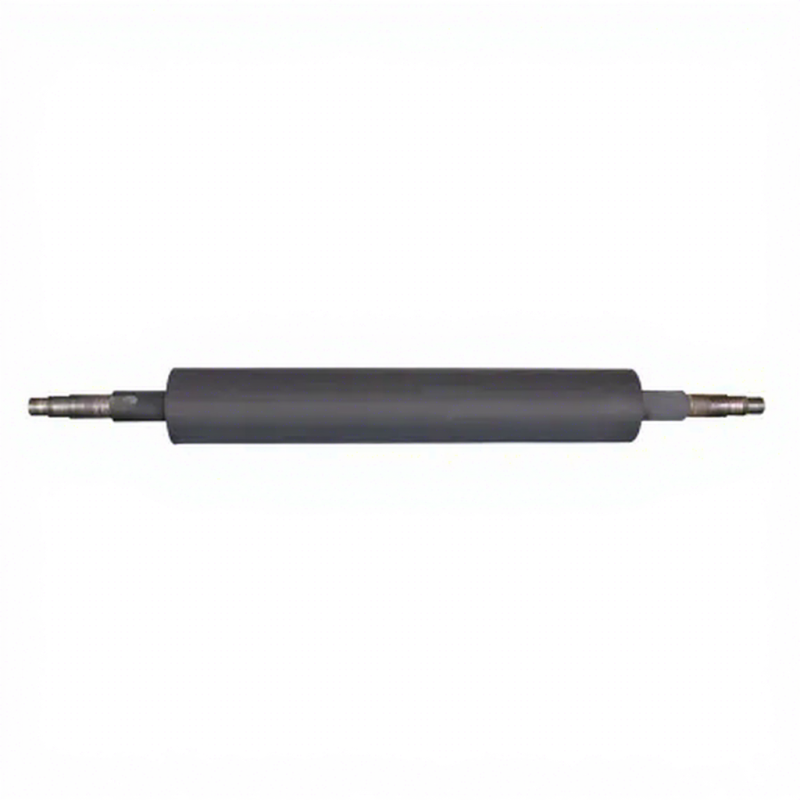
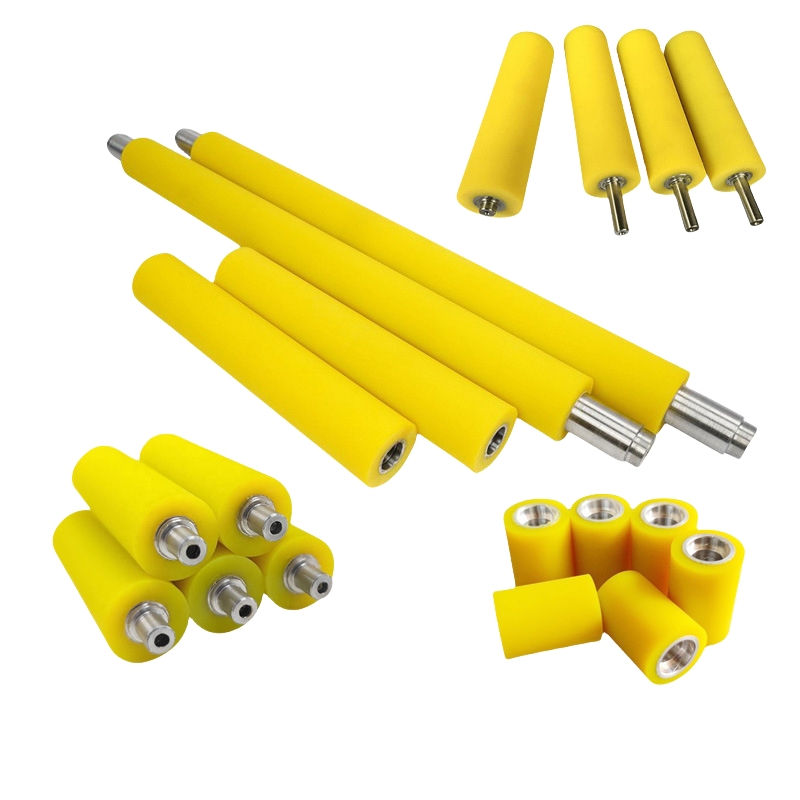
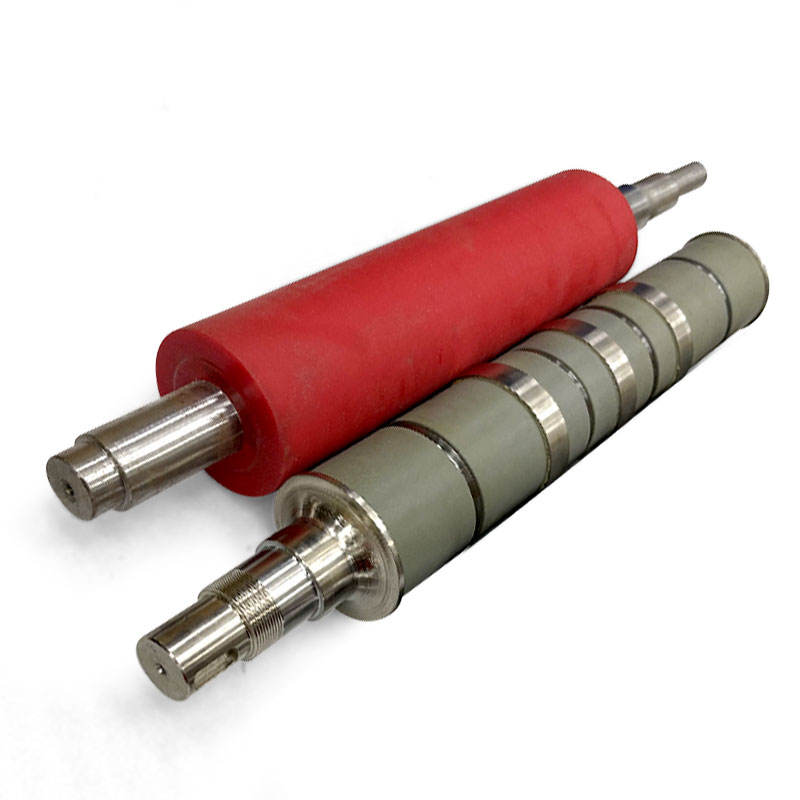
Polyurethane (PU) conveyor rollers are engineered with a multi-layer structure consisting of an outer rubber shell, a high-density hard rubber layer, a precision metal core, and a ventilated roll neck. The manufacturing process involves advanced techniques such as roller core sandblasting, specialized bonding treatments, precision molding, and pressurized vulcanization to ensure superior surface finishes. These rollers are essential components in demanding sectors including papermaking, textile printing, grain processing, and heavy metallurgy.
In the cotton spinning industry, PU rollers are critical for drawing, roving, and spinning frames. During the drafting process, specialized cots manage fiber movement, preventing premature speed changes in floating fibers. This results in significantly improved yarn evenness while reducing hairiness and the occurrence of knots.
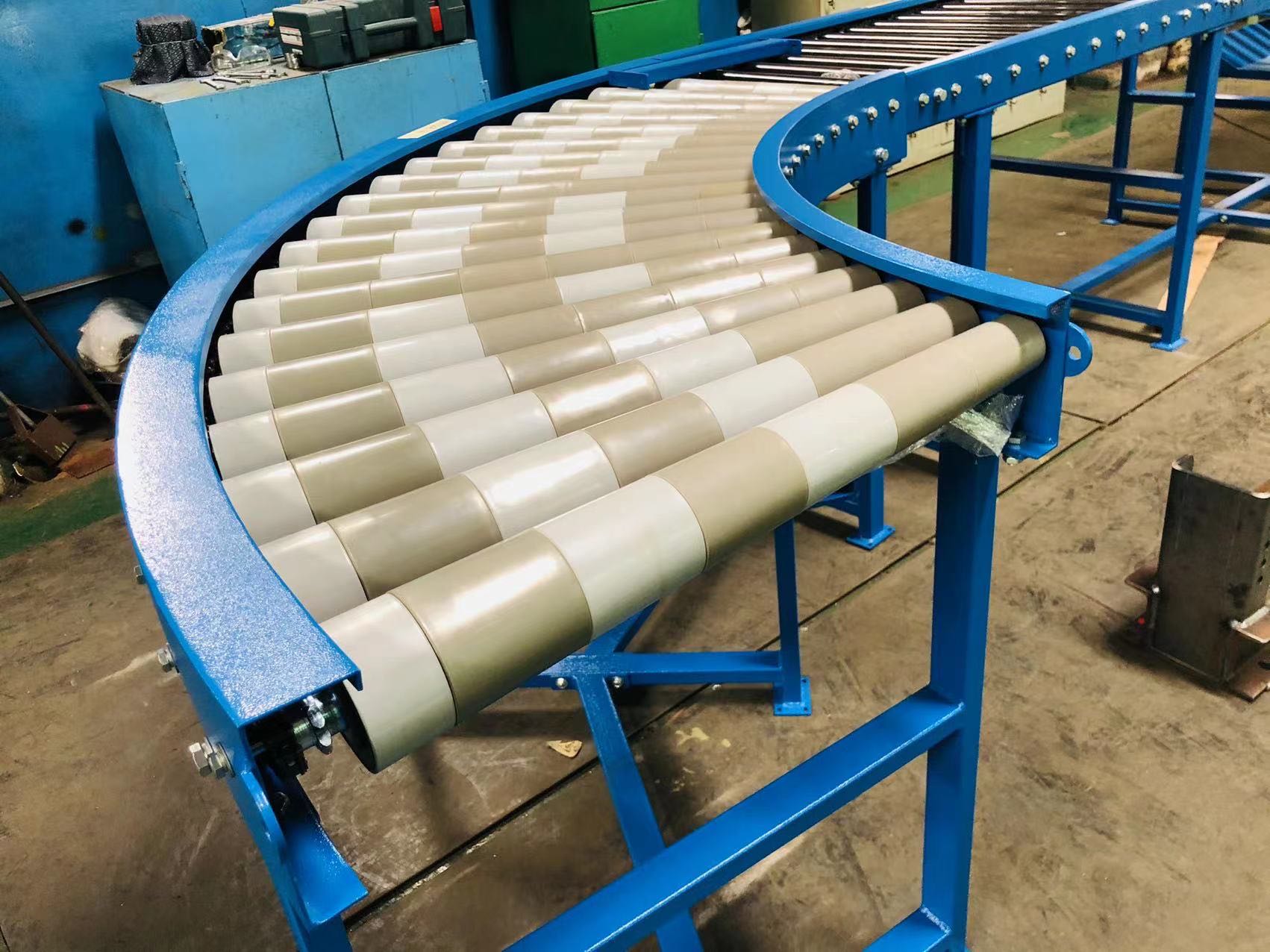
Every polyurethane conveyor roller is custom-manufactured to meet exact client specifications. We handle tight tolerances and specialized designs with precision, ensuring optimal performance for unique industrial applications. Furthermore, we provide professional stripping and recovering services for existing rollers. Unlike traditional plastic, rubber, or steel alternatives, our PU rollers offer an extended service life with exceptional vibration damping and noise reduction. Enhanced traction and anti-static additives prevent material buildup, ensuring a seamless production flow.
Key Benefits of Polyurethane Rollers
High-performance polyurethane rollers combine outstanding elasticity with high compression resistance. They feature excellent shock absorption, anti-static properties, and resistance to oils and environmental aging. Key characteristics include uniform material hardness, high spinnability, and ozone resistance, ensuring consistent operation in even the most challenging industrial environments.
Comparative Analysis: PU vs. Other Materials
Polyurethane vs. Rubber Rollers: Polyurethane significantly outperforms natural rubber in terms of durability and wear resistance. It offers a longer operational lifespan, reducing machine downtime and maintenance costs for industrial operators.
Polyurethane vs. Metal Rollers: PU rollers provide a lightweight alternative to steel, reducing strain on drive systems. Additionally, polyurethane is naturally corrosion-resistant, eliminating the need for expensive protective coatings. Its superior impact absorption also leads to much quieter operations compared to metal counterparts.
Polyurethane vs. Plastic Rollers: In high-load applications, polyurethane excels due to its superior load-bearing capacity and abrasion resistance. It maintains structural integrity under heavy pressure where traditional plastics might fail, providing a more reliable long-term solution.